
Add Row
Add Element
cropper
update
Everyday Lifestyles
update
Add Element
  • Home
  • Categories
    • lifestyle
    • wellness
    • family
    • health & beauty
    • Technology
    • Featured
  • Sports
  • Featured
  • Relationships
  • Business
  • Social Media Marketing
June 18.2025
3 Minutes Read

Do You Need a License to Sell Skincare? Essential Insights for Parents

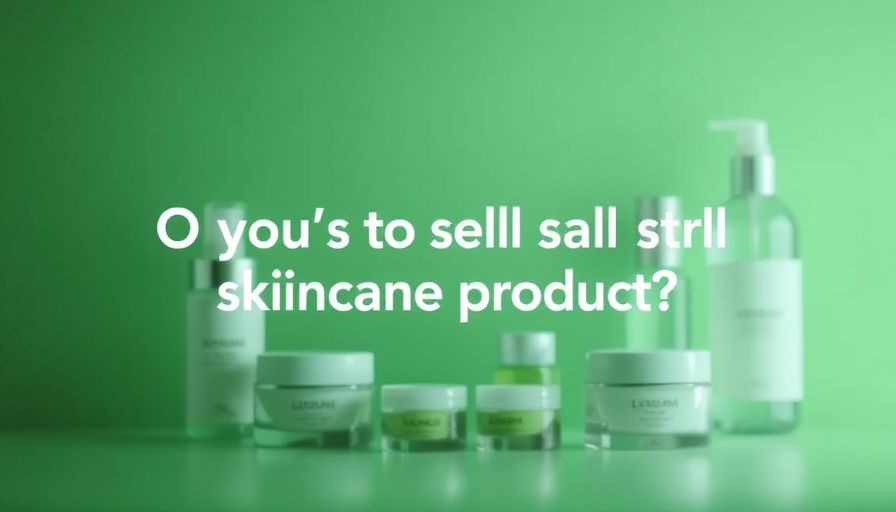
License to sell skincare inquiry ad with bottles on green background.

Is a License Necessary for Homemade Skincare Products?

If you've ever considered diving into the world of cosmetics, especially selling your homemade skincare products, you're not alone. Many aspiring entrepreneurs are uncertain about the legalities surrounding cosmetic formulation. The good news? The answer to the question, 'Do you need a license to sell skincare products?' often leans towards no, especially if you are a small-scale artisan working from home.

Creating in Your Kitchen: What You Need to Know

Formulating skincare in your kitchen may excite you about the possibilities, but it's crucial to be aware of the safety standards. Yes, you can mix and create in your kitchen, provided you ensure all your cosmetics are safe and that your workspace is ultra-clean. Mixing food and cosmetic ingredients can lead to contamination risks, endangering the integrity of your products. Luckily, many artisans thrive with the right practices in place.

When crafting from home, you need to embrace Good Manufacturing Practices (GMP), which not only ensures product safety but also boosts consumer trust. According to recent statistics, adhering to GMP can give your homemade products a leg up in the market, assuring customers of their quality. For those new to formulation, seeking guidance through diplomas or courses can significantly ease the learning curve.

Kitchen Alternatives: Discovering Your Personalized Lab Space

While your kitchen might serve as the first creative fountain, it doesn’t have to be your only option. Many successful formulators opt for dedicated spaces that minimize the chaos of family life. From spare rooms turned into labs to even bespoke garden sheds, the possibilities are endless. For example, one remarkable graduate from Formula Botanica set up a mobile workshop dubbed the ‘Wilderness Lab,’ proving that with creativity and ambition, any small space can serve as your launching pad for beauty production.

Home-Based Production: Understanding Legalities in Your Country

When considering selling your skincare creations, knowing the legal environment is essential. While in many countries, including the UK and the US, homemade cosmetics are permissible if they meet specific regulations, it’s vital to understand your local laws. Some countries have stringent rules against home production of cosmetics, while others actively encourage small businesses to flourish. Countries like the EU have laws regarding labeling and safety data requiring additional vigilance for sellers.

Once you step into the regulatory landscape, ensuring compliance can directly influence your product’s market credibility. Taking the time to familiarize yourself with these regulations not only fortifies your business but also enhances your reputation among consumers.

Addressing Common Misconceptions: Safety and Success

A common myth surrounding DIY cosmetics is that they can never compete with mass-produced options. This belief couldn't be further from the truth. Artisan-produced skincare often emphasizes natural ingredients, sustainability, and personalized experiences that major brands can't replicate. Parents seeking healthier options for their families are increasingly turning toward these homemade solutions. Your unique formulations powered by love, care, and organic ingredients can tap into this growing consumer awareness of wellness.

Moreover, the shift toward conscious living, especially among families who wish to harness nature's power for their skincare needs, represents a lucrative market. By cultivating a genuine connection with your audience through storytelling—like emphasizing your personal journey into this world—you can build a loyal customer base.

From Passion to Profit: Practical Insights for Aspiring Formulators

Turning your passion for skincare into a profitable venture requires strategic planning. Here are some actionable insights:

  • Start Small: Maintain a manageable scale before expanding. Creating small batches allows for better quality control.
  • Engage with Your Community: Host workshops or online classes to connect with your audience and share your expertise. This builds a community and promotes your brand.
  • Stay Informed: Keep abreast of industry trends and regulations. Join forums or groups focused on cosmetic formulation for ongoing support.

Your Journey Starts Here: Actionable Steps to Take

Whether you’re a parent looking to make some extra income or someone passionate about skincare, leveraging these insights can set the stage for your business journey. Awaken your creativity, embrace the art of formulation, and consider launching your own skincare range from home.

With the right resources and knowledge, nothing should hold you back from pursuing your dream in the beauty industry. If you’re ready to take the plunge, educate yourself continuously, and don’t hesitate to seek support from experienced formulators. The world is ready for your unique creations!

health & beauty

1 Views

0 Comments

Write A Comment

*
*
Related Posts All Posts
11.02.2025

Measles Outbreak in Short Creek: Revisiting Vaccination Challenges Amid Recovery

Update Understanding the Measles Outbreak: A Community's StruggleThe recent outbreak of measles in Short Creek—a tight-knit community straddling the Utah-Arizona border—has reignited discussions about health, vaccination, and the long shadows cast by its notorious past under former leader Warren Jeffs. After years of grappling with the aftermath of Jeffs' reign, which included polygamy and the removal of children, the community is now confronting a public health crisis that has affected at least 161 people as of the latest reports.The Roots of Vaccine HesitancyIn a nation where measles had been largely eradicated, Short Creek has seen a significant increase in cases—making it the site of one of the largest outbreaks in the United States this year. The underlying cause? A history of distrust towards government institutions, exacerbated by Jeffs' control over the community that discouraged reliance on external medical interventions. Former residents, now on the path toward normalcy and recovery, express that priorities surrounding health have shifted dramatically in the face of this crisis. “Getting kids vaccinated or a booster was not the first thing on our mind,” stated Hildale’s Mayor, Donia Jessop.Community Dynamics and ResilienceTraditionally, Short Creek residents have viewed vaccinations skeptically, influenced by Jeffs' mandates against them. This long-standing resistance to vaccinations parallels a broader cultural context that prioritizes skepticism towards governmental authority. Yet, amid the outbreak, many former FLDS members are questioning these beliefs. Administrative records reveal that vaccination rates have begun to climb as affected families witness the true impact of measles. Clinics like Hometown Wellness in Hildale are adapting, utilizing a blend of natural medicine and pharmaceutical solutions to soothe the ingrained fears about medical intervention.The Path Toward Change: Short Creek’s Health TransformationThe significantly lower vaccination rates in this area compared to the national average highlight the urgent need for continued public health education. Currently, vaccination rates in schools are troubling: only about 80% at one high school and as low as 7.7% in the area's charter school. Educational outreach has become crucial. As May Keate, a local healthcare manager mentioned, “We’re pushing out education, but we don’t demand; we will never again be told what to do.” This change in mindset is essential as families start seeking vaccinations amid the outbreak.Public Health and Future PredictionsAs the outbreak progresses and more individuals contract measles, public health institutions are recommending proactive vaccination approaches. The strategic push to immunize will require active community engagement and sustained efforts to combat the legacy of distrust that Jeffs instilled. While it’s important to honor individual choices, prioritizing community health is essential in overcoming this crisis. The need for herd immunity—noted as approximately 95% vaccination coverage—remains a looming goal for the collective challenges ahead.Call to Action: Community Empowerment and EducationIn light of the current outbreak, families in Short Creek are being urged to consider the benefits of vaccinations. It’s crucial for the community to come together, addressing health risks with an open mind, and to prioritize the safety of children and families over individual fears based on historical trauma. This is a collective responsibility that directly affects the well-being of the entire community.

09.23.2025

Trump's Link Between Acetaminophen and Autism: Unfounded Claims Raising Concerns

Update Trump's Controversial Statement on Acetaminophen Use During Pregnancy In a recent claim that has ignited a heated debate, Donald Trump suggested a potential link between the use of acetaminophen during pregnancy and autism in children. This assertion, presented without clear scientific backing, has drawn skepticism from experts in the field of maternal and pediatric health. The Sensitivity of Autism Claims Suggesting any connection between prenatal drug use and autism spectrum disorders is a sensitive topic. Autism spectrum disorder (ASD) affects millions of families, and linking it to common medications poses significant implications. Experts underscore that while many factors contribute to ASD, making unfounded claims can induce unnecessary fears among expectant mothers. Understanding Acetaminophen's Role in Pregnancy Acetaminophen, commonly known by its brand name Tylenol, is frequently recommended by healthcare professionals as a safe option for managing pain and fever during pregnancy. Various studies have examined its safety profile, emphasizing that when used according to medical guidelines, it poses minimal risk. That said, it is essential for patients to consult their healthcare providers to discuss any concerns about medication use during pregnancy. The Landscape of Misinformation in Healthcare Trump's claim exemplifies a broader issue of misinformation that often circulates around health topics, particularly in social media. Health-related claims can travel quickly, leading to widespread anxiety about safe practices. The responsibility lies with both healthcare providers and the media to ensure accurate information is disseminated. Recommendations for Expectant Mothers For expectant mothers concerned about medication use, staying educated and informed is paramount. Regular consultations with healthcare providers can help clarify any misconceptions, ensuring that they receive the best possible guidance regarding their health and the health of their unborn child. Why Statements Like These Matter Public figures making claims about health can greatly influence public perception and behavior. Followers often take these statements at face value, leading to a ripple effect of panic and misinformation. This is why it's vital for leaders to present scientifically valid information, particularly on sensitive issues like pregnancy and child development. Next Steps for Informed Action As controversial health claims become more prevalent, individuals should advocate for clear, science-based communication in all aspects of healthcare. Misinformation can be mitigated through education and professional guidance. Seeking the advice of a Chief Marketing Officer, especially one versed in healthcare concerns, can also be beneficial. They can help communicate such critical issues effectively, ensuring that patients are informed correctly. If you're navigating the complexities of marketing around sensitive health topics or you need someone to communicate with clarity and authority, consider hiring a growth strategist for your business. You can start your journey towards efficient marketing management and operations today at no charge, with results guaranteed before payment. Visit YourOutsourceCMO.com for more information.

09.23.2025

Trump's Comment on Acetaminophen and Autism: The Need for Evidence-Based Discussion

Update The Triggering Comment: Trump’s Controversial ClaimIn a recent statement, former President Donald Trump stirred significant debate by linking acetaminophen use during pregnancy to autism risks. This assertion has been met with skepticism, as experts highlight the lack of solid scientific evidence backing such a claim. While discussions around prenatal health and its long-term implications are vital, it’s crucial that we differentiate between scientifically supported information and unverified opinions, especially when they come from influential personalities. Science vs. Speculation: Understanding the FactsAcetaminophen, often used as a safer alternative to other pain relievers, has long been deemed safe during pregnancy by health organizations, including the CDC and WHO. A 2021 study did suggest potential links between prolonged high-dose use of acetaminophen and developmental concerns in children, but further research is needed to substantiate these findings. Assertions linking medication with autism should be approached with extreme caution, as they can generate unwarranted anxiety among expectant mothers. Public Reaction: A Lens on MisinformationThe public’s response to Trump’s comments reflects a broader issue surrounding misinformation, particularly in health-related discussions. With many looking to their leaders for guidance, it highlights the importance of accountability and accuracy in statements made by public figures. This development calls for improved communication about scientific findings with a focus on clarity, ensuring that future statements do not spiral into fear or misinterpretation. Considering the Emotional Impact: The Stakes for FamiliesFamilies expecting a child deserve clear and accurate information regarding medication during pregnancy. Misinformation can lead to undue stress, impacting mental health and prenatal care decisions. When leaders make claims about significant health implications, it can create unnecessary worry and confusion among parents-to-be, emphasizing the need for responsible commentaries from influential figures. What Lies Ahead: Regulatory PerspectivesAs discussions evolve, regulatory bodies may need to reevaluate the communication of safety data surrounding medications like acetaminophen. An open dialogue that involves healthcare professionals, researchers, and political leaders can foster a more informed public. The interplay between science and politics in healthcare must prioritize patient safety and well-being over sensationalist headlines. Actionable Insights: Tips for Expectant MothersFor pregnant women concerned about medication usage, consider the following actionable steps: Consult your healthcare provider before taking any medication, including over-the-counter options like acetaminophen. Stay informed through reputable health organizations that provide guidelines on medication during pregnancy. Discuss any concerns about autism or developmental issues with a pediatric expert, who can provide evidence-based insights that clarify risks. Final Thoughts: The Importance of DiscernmentThe conversation sparked by Trump's remarks serves as a reminder of the complexities within healthcare discourse. It highlights the necessity for all stakeholders—politicians, healthcare providers, and the public—to engage meaningfully, keeping scientific integrity and patient welfare at the forefront of discussions.

Terms of Service

Privacy Policy

Core Modal Title

Sorry, no results found

You Might Find These Articles Interesting

T
Please Check Your Email
We Will Be Following Up Shortly
*
*
*