
Add Row
Add Element
cropper
update
Everyday Lifestyles
update
Add Element
  • Home
  • Categories
    • lifestyle
    • wellness
    • family
    • health & beauty
    • Technology
    • Featured
  • Sports
  • Featured
  • Relationships
  • Business
  • Social Media Marketing
June 21.2025
3 Minutes Read

Why Profit Matters More Than Revenue: Essential Insights for Entrepreneurs

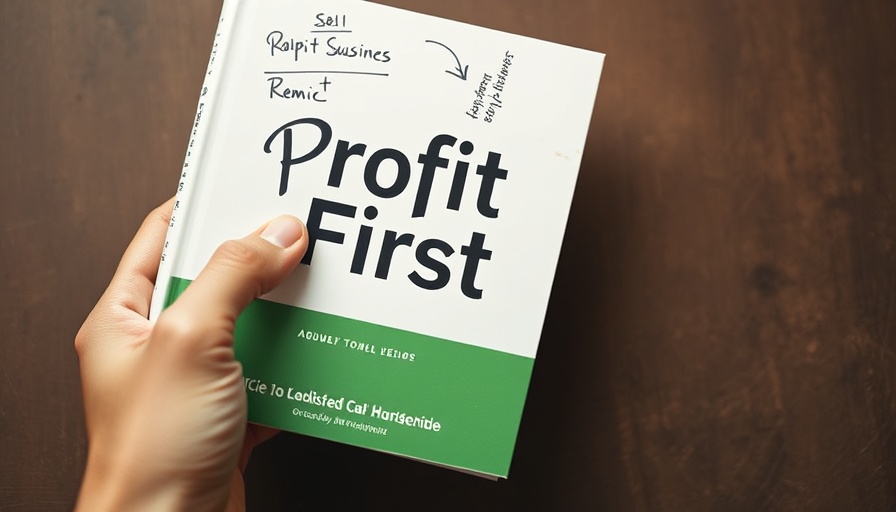
Close-up of 'Profit First' book emphasizing profit importance

Understanding the Reality Behind Business Success

In the world of small business, many entrepreneurs chase after the elusive dream of increasing sales, believing that more customers equate to more profits. But herein lies a critical misconception: it’s not merely about revenue, but rather about profitability that ensures sustained success. If you’re fixated on the next sale as a salvation for your business struggles, it’s time for a rethink.

The Key Distinction: Profit vs. Revenue

The phrase "revenue is vanity, profit is sanity" captures the essence of what many small business owners fail to understand. Revenue can look impressive on paper, but without proper profit margins, it could lead businesses into a damaging spiral of unnecessary expenses and burnout. An indispensable realization for any entrepreneur is that more sales do not automatically translate into more success; instead, they can lead to exhaustion and financial instability.

Why Chasing Sales Can Be Dangerous

When business owners stretch themselves thin in pursuit of sales, they may inadvertently deplete their resources and motivation. Each unprofitable sale can pull focus and drain energy that could instead be channeled into more lucrative opportunities. This shift in mindset is crucial. Rather than seeking to increase sales volume, the focus should be redirected toward profitable sales that align with the core values and capacities of the business.

Identifying Profitable Sales

To pivot towards profitability, entrepreneurs can easily evaluate their offerings. Start by listing your products or services, estimating the time and effort needed to deliver each, and comparing that with the income generated. By highlighting those products that take more energy than they are worth, business owners can make the strategic decision to cut low-margin offerings from their repertoire. While it may feel daunting, this clarity allows for a healthier business landscape.

Cutting Unprofitable Sales: A Path to Improvement

While some may fear that cutting unprofitable sales could lead to immediate revenue loss, the truth paints a different picture. These cuts free up resources to pursue better opportunities, creating room for high-value work that supports not only financial goals but also employee morale and customer satisfaction. Transforming a struggling business often involves tough choices, but those choices pave the way for a more resilient company structure.

Long-term Success: Metrics Beyond Sales

Entrepreneurs should pivot towards developing profit-centric metrics to measure their success. This involves adjusting their business strategies to prioritize offers that provide substantial profit margins and reflect their long-term vision. By adopting this mindset, business owners can foster growth that doesn’t solely hinge on an endless sales chase, but rather on sustainable profitability.

Confronting Common Misconceptions

One prevailing misconception is that businesses require relentless marketing efforts to succeed, leading to a cycle of stress and burnout. However, focusing on existing customers, optimizing current offerings, and refining services can yield more significant benefits than emphasizing high-volume sales alone. Additionally, diversification and adaptability in product offerings can help businesses navigate fluctuating markets without relying heavily on advertising.

A Neater Future: Adapting for Profit

Entrepreneurs willing to embrace the shift from revenue-driven strategies to profit-focused growth are better positioned to create a stable business. This adaptability hinges upon understanding the market landscape, identifying core competencies, and maintaining a clear vision aligned with profitability. Ultimately, small shifts in approach can yield substantial improvements in business health, reinforcing the idea that profit truly does matter more than revenue.

Looking Ahead: Crafting Your Business Strategy

As we navigate the hue and cry of changing market dynamics, it’s essential to foster a proactive strategy centered on profitability. Innovate your service or product offerings based on customer feedback and operational insights, and engage your team in this mission. Real growth comes from insightful reframing, allowing your business to flourish not just in revenue but in resilience.

In conclusion, cutting unprofitable sales isn’t a loss; it’s a strategic move toward wellness in your business practices. Reflect on your path, adapt your strategies, and commit to operations that deliver not just numbers, but meaningful impact.

Call to Action: Explore how strategic insights can drive your business growth. Invite experts to analyze your profitability model. Begin your journey toward sustainable success today!

Business

0 Views

0 Comments

Write A Comment

*
*
Related Posts All Posts
11.27.2025

When Should You Evolve Your Brand? Insightful Steps to Consider

Update Recognizing the Need for Brand Evolution In an ever-changing business landscape, the question of when and how to evolve your brand has become more critical than ever. As the world continuously shifts, companies must adapt or risk fading into obscurity. Numerous indicators signal the need for rebranding or brand evolution, such as loss of customer trust, changing clientele, and outdated brand perceptions. More specifically, a significant drop in customer engagement or a disconnect between your brand and the audience's values can greatly impact your standing in the market. Take the example of the Lance Armstrong Foundation, which had to completely rebrand as the Livestrong Foundation following negative publicity surrounding its founder. Such dramatic shifts often prompt a rebranding campaign not just as a brand refresh but as a necessity to regain stakeholder trust. The Role of Market Research in Brand Evolution To effectively shift your brand’s trajectory, understanding your market is paramount. Many businesses fail to adequately define their target demographics. A successful brand evolves when it deeply understands the needs, aspirations, and emotions of its customer base. This is analogous to how AB InBev, through needs-based occasion-driven market segmentation, identified specific consumer demands, resulting in informed market strategies that optimize brand engagement. Surveys, focus groups, and one-on-one consultations make excellent methods for gathering insights. Engaging customers and employees in discussions about what they expect from your brand helps shape a responsive image that resonates with both internal and external stakeholders. Crafting a Compelling Brand Narrative A successful brand evolution is more than aesthetics; it’s about creating and communicating a compelling narrative. The essence of modern marketing resides in storytelling—where the brand's history, values, and future vision converge into a powerful message. A company that disregards its past while seeking a future transformation may find itself alienated from loyal customers who value its traditions. Fostering this kind of authenticity can be particularly effective. For instance, Elizabeth Arden is leveraging its historical provenance to attract a younger audience. By harmonizing past brand values with modern branding strategies, the company is crafting a balanced narrative that appeals across generations. Implementing Strategic Branding Initiatives Once you've understood the market needs and shaped your brand story, it’s crucial to align every aspect of your business with this new direction. Whether it’s revamping your product line or investing in marketing technology that facilitates engagement, your strategy must be coherent and unified across all channels. This includes harnessing the power of social media platforms to communicate your brand’s evolution effectively. As a small business owner, hiring a Chief Marketing Officer (CMO) can be a game changer, offering expert guidance without the burden of a full-time salary. Considering the market's dynamic nature, a fractional CMO can lead your brand through its evolution by optimizing resources and implementing effective strategies tailored to your goals. Future Outlook: Evolving Responsively Looking forward, it’s essential to recognize that brand evolution isn't a one-time project but a continual process. Adapting to changes in customer preferences, technological advancements, or global trends will be vital. Building an agile brand demands ongoing feedback loops with stakeholders to gauge the effectiveness of your new branding initiatives. Top performing brands do not solely cling to their past successes; they embrace change. Brands that successfully navigate this evolution, as observed in companies like Claire’s and Amazon, typically enjoy sustained growth and customer loyalty. Actionable Insights for Small Business Owners If you're considering rebranding or evolving your brand, here are some actionable steps: Assess current market perceptions: Engage with customers to understand their views on your brand. Define your mission: Establish a clear vision that motivates both employees and customers. Utilize technology: Integrate effective marketing technology to enhance brand communication.Embrace feedback: Consistently solicit feedback from both customers and employees to ensure brand alignment. In conclusion, a well-thought-out approach to brand evolution can not only shield your business from decline but also propel it to previously uncharted heights. Whether through insights gathered from your customer base or strategic shifts within your operations, adapting in a timely manner is essential.As a next step, consider how you can incorporate these insights into your strategy. Because sometimes, hiring an outsourced or fractional CMO provides the expansion you need without a full-time commitment. You can start the process for free and see how it fits your model.

11.26.2025

Essential Guide on How to Get Money for Your Franchise in 2025

Update Understanding Franchise Financing: An Essential Step for Entrepreneurs Owning a franchise can be an enticing pathway to entrepreneurship, leveraging a recognized brand and established business model. However, securing financial backing is often the most challenging hurdle to overcome. Understanding franchise financing options is crucial for aspiring business owners, especially in today's evolving market. From SBA loans to innovative alternatives, this article will guide you through essential steps to effectively fund your franchise. Key Financing Options Explained When considering how to obtain funding for your franchise, it's important to familiarize yourself with the most prevalent financing options. The U.S. Small Business Administration (SBA) plays a significant role, providing loans with favorable terms. SBA 7(a) loans are among the most popular, allowing borrowers to secure amounts up to $5 million with low-interest rates. These loans are favored because they reduce lender risk, making it easier for first-time franchisees to qualify. Additionally, franchisors are increasingly offering financing solutions to ease the initial burden. This can include a variety of options such as reduced franchise fees or payment plans to facilitate faster openings. Establishing a good relationship with your franchisor can lead to advantageous financing solutions that could significantly benefit your startup process. Assessing Your Financial Situation Before diving into any financing options, an honest evaluation of your financial standing is essential. Start by checking your credit score, which is a key indicator lenders use to assess your eligibility. A score of 600 or higher is often required for favorable options. Along with your credit, compile a personal financial statement detailing your assets, debts, and net worth, as this transparency can improve your chance of securing funding and showcase your responsibility to potential lenders. Alternative Financing Methods to Consider If traditional sources fall short, other financing avenues like Rollovers for Business Startups (ROBS) allow you to use retirement funds without incurring penalties. This method can provide significant capital without the burdens of loan repayment. However, it’s prudent to consult a financial advisor when considering this route, as the inherent risks must be managed carefully. Additionally, crowdfunding has emerged as an innovative approach to secure funds for franchise ventures. This can be particularly advantageous for individuals with unblemished financial pasts looking to engage communities and potential customers in their business ventures before even opening shop. Crafting a Comprehensive Business Plan Having a well-structured business plan is indispensable in the quest for financing. This document should detail your business goals, revenue projections, and specific funding needs, providing a clear roadmap for both your franchise and potential lenders. Ensure that your document includes realistic cash flow statements and projections that will assist lenders in understanding the potential for your franchise’s success. Common Missteps and How to Avoid Them Many first-time franchisees overlook critical elements which can delay or derail their financing efforts. One significant mistake is failing to maintain organized records of necessary documentation. Essential documents like tax returns, cash flow statements, and business plans should be readily available to streamline the application process. Preparation will not only hasten approval times but also display professionalism, increasing your attraction as a borrower. The Importance of Professional Guidance Since franchise financing can be complex, seeking advice from financial professionals specializing in franchise funding can yield invaluable insights. Experts can provide guidance on the best funding strategies tailored to your specific needs while helping you prepare for lender negotiations. As a small business owner, navigating the intricacies of franchise financing is crucial to set a solid foundation for your venture. Be proactive and informed, and take advantage of the variety of resources available to secure the funding necessary for your success. Want to see how this worked in real life? I help small business owners grow without hiring a full-time marketing team. As your outsourced CMO, I build and run your first outreach campaign—no upfront cost, just results.

11.26.2025

Unlocking Franchise Financing: Your Blueprint to Get Money for Your Franchise

Update Understanding the Landscape: Franchise Financing in 2025 As we enter 2025, the franchise market is rapidly evolving, presenting both exciting opportunities and unique financial challenges for aspiring entrepreneurs. With the total franchise output projected to exceed $936 billion, understanding how to secure money for your franchise becomes critical. Financing your franchise is not just about initial fees; it encompasses a range of costs including real estate, equipment, and operational expenses, making a well-structured funding strategy a necessity for success. Setting the Foundations: Assessing Your Financial Situation The first step in obtaining franchise financing begins with a thorough assessment of your financial situation. This starts by evaluating your credit score, which lenders typically prefer to see above 600 for favorable terms. Additionally, compiling a personal financial statement that details your assets and liabilities gives you a clearer picture of your financial health. Knowing how much capital you need is crucial, as startup costs can range significantly from as low as $100,000 to upwards of $500,000, depending on the franchise. Exploring Diverse Financing Options: What’s Right for You? Once you’ve grasped your financial status, the next step is to explore various financing options. Popular choices include: SBA Loans: These government-backed loans offer competitive rates and longer repayment terms, making them an attractive option for franchisees. Franchisor Financing: Some franchisors are willing to assist their franchisees through reduced fees or deferred payments, which can alleviate initial financial pressure. ROBS (Rollovers for Business Start-Ups): This method allows you to tap into your retirement savings without penalties, though it requires strict compliance and carries certain risks. Traditional Bank Loans: While potentially offering lower interest rates, these loans often come with rigorous credit requirements and longer approval times. Alternative Financing: Online lenders and fintech platforms are emerging as flexible solutions, offering quick decisions but higher rates. Building a Comprehensive Business Plan A well-structured business plan can significantly enhance your chances of securing funding. This document should outline your franchise's revenue projections, funding needs, and a clear strategy for how you will use the capital obtained. Making sure your business plan is compelling and backed by research can illustrate the viability of your franchise concept, further assuring lenders that you’re a worthy investment. Essential Documentation for Success When seeking financing, prepare for the documentation requirements, which typically include tax returns, cash flow statements, and a detailed credit report. Being organized with these documents not only expedites the application process but also showcases your professionalism to potential lenders. Consulting Financial Advisors: Maximizing Your Financing Potential Lastly, don’t shy away from consulting with financial advisors specializing in franchise funding. They bring tailored insights that can navigate the complexities of the financing landscape and may even help you discover options you hadn’t considered. Their expertise can be invaluable as you traverse your path toward franchise ownership. Conclusion: Take Control of Your Franchise Future Securing funding for your franchise is more than just a financial step; it's a foundational element for long-term success. By assessing your financial readiness, exploring various funding sources, and preparing a comprehensive business plan, you position yourself to efficiently navigate the funding landscape. Ready to embark on your franchise journey? Considering leveraging the expertise of an outsourced Chief Marketing Officer can also assist in building sustainable strategies for growth, helping you pivot towards a successful franchise venture. Remember, you can begin this journey at no charge as the first campaign often proves its merits before requiring payment.

Terms of Service

Privacy Policy

Core Modal Title

Sorry, no results found

You Might Find These Articles Interesting

T
Please Check Your Email
We Will Be Following Up Shortly
*
*
*